
How to Choose a Restaurant Bar for Food, Drinks, and a Night Out
A great restaurant bar gives you a reason to stay for more than one drink: satisfying food, drinks you want to order, comfortable seating, and service that works whether you arrive alone or with friends. If you’re choosing a spot for a game or group gathering, check the screen views, noise level, location, and private event options before you go.
The best fit depends on your plans. A quiet bar seat may be right for dinner alone; a bigger table and lively room may be better for a night out.
I’m Ryan Oliver, owner of The Break Downtown. My restaurant bar experience spans front-of-house service, concept development, and daily operations, and it’s taught me to look for places that make guests feel welcome.
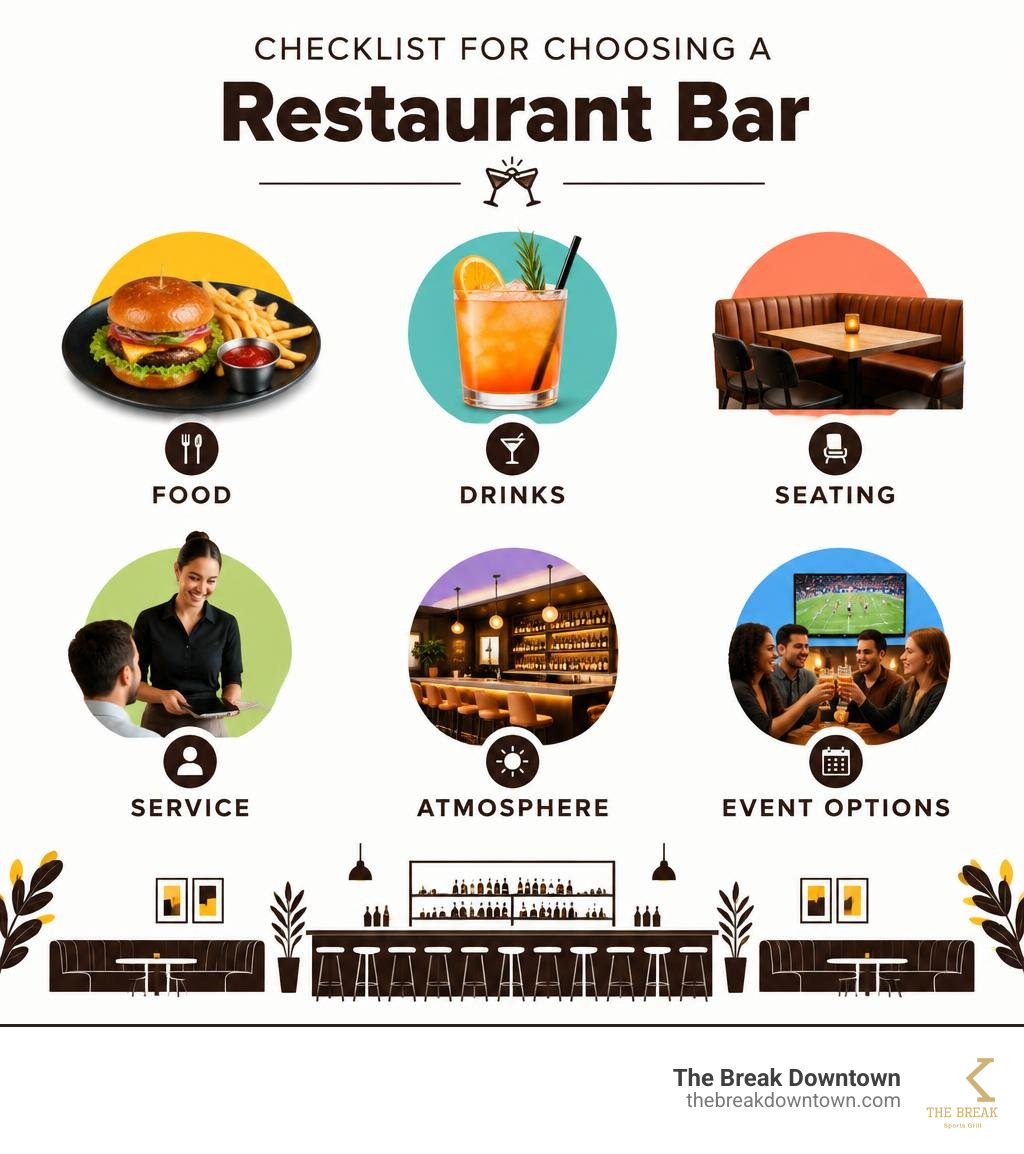
What Defines an Exceptional Restaurant Bar Experience?
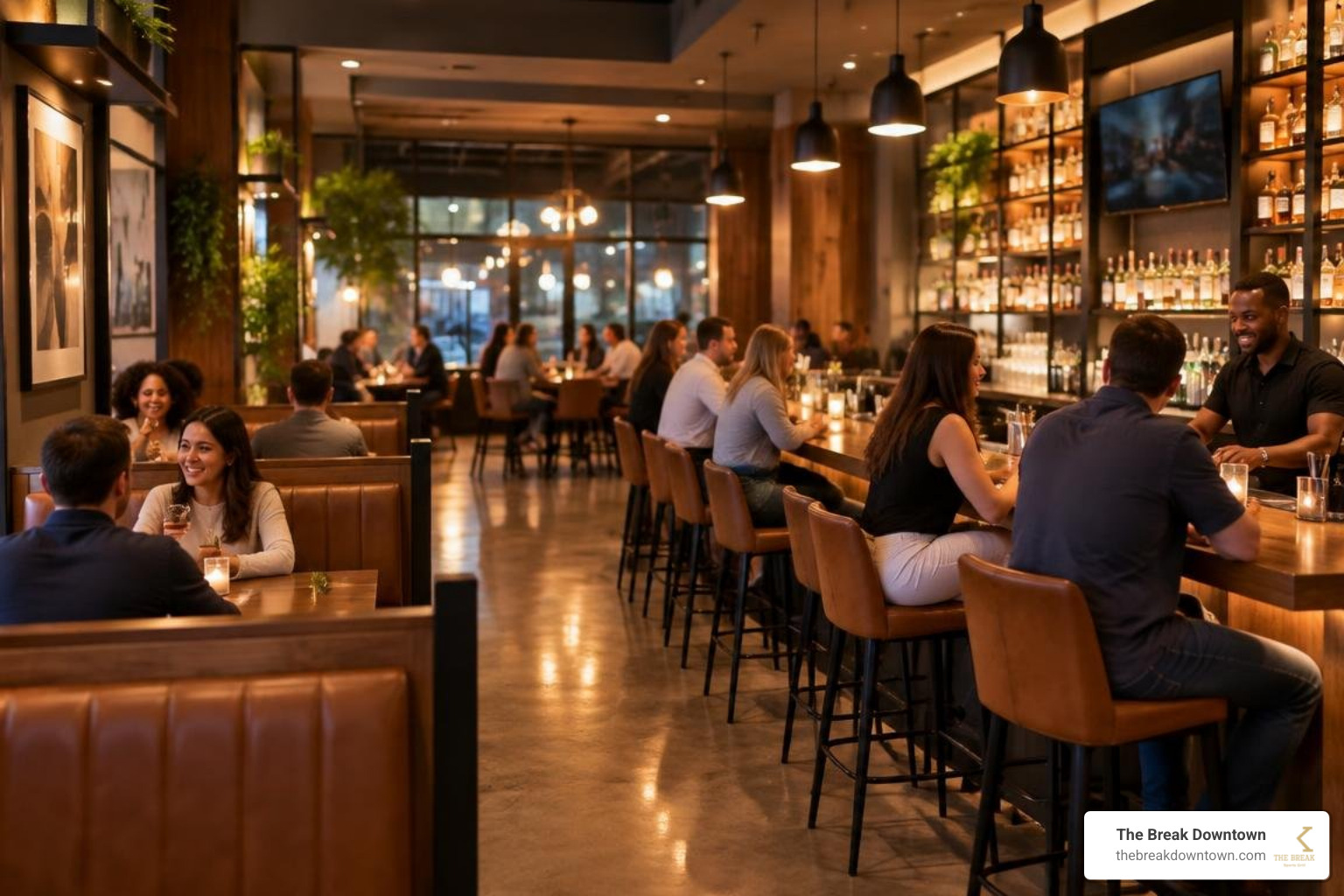
When we think about modern dining, the lines between a traditional dining room and a vibrant tavern continue to blur. An exceptional establishment is no longer just a holding area where patrons wait for a table to clear. Instead, it functions as a primary destination where the energy of the counter complements the culinary ambition of the kitchen.
Whether you are stepping out in Salt Lake City, stopping by Millcreek, catching up with friends in West Valley City, browsing spots in South Jordan, or unwinding in Saratoga Springs, a top-tier hybrid space offers an immersive culinary environment from the moment you walk through the door.
Core Elements of a Destination Restaurant Bar
A destination venue relies on thoughtful architecture, comfortable seating, and a distinct community identity.
- Intuitive Sightlines and Layout: A well-designed counter gives guests an expansive view of the room, whether they want to watch the kitchen staff plate fresh dishes, chat with bartenders, or view high-definition displays showing live sports.
- Acoustic Balance: Great venues manage sound dynamics carefully. The room should feel energetic and lively without forcing guests to shout across their shared plates.
- Full-Service Seating: Barstools should offer ergonomic support, ample legroom, and purse hooks, creating a comfortable space to enjoy an entire multi-course dinner.
- Local Roots: The best spots embrace their surroundings. Whether situated right across from the Delta Center or tucked into a neighborhood corner, the venue should capture the authentic spirit of its neighborhood.
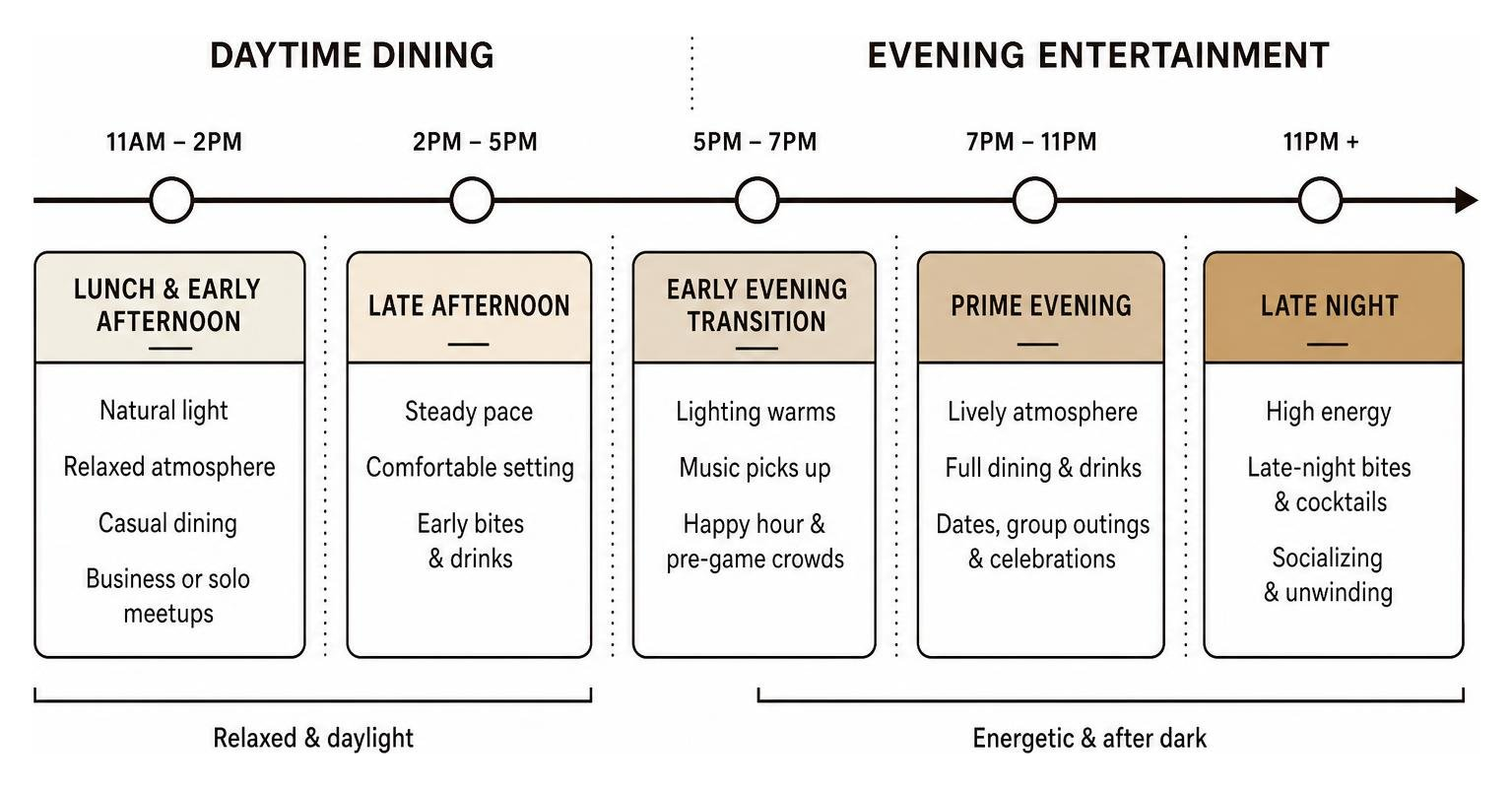
Seamless Transition from Day Dining to Nightlife
A hallmark of a versatile establishment is how effortlessly it shifts gears throughout the day. During lunch and early afternoons, natural lighting and relaxed background audio create the perfect setting for casual business meetings or solo dining.
As the sun sets, the room evolves. Lighting dims to warmer tones, music shifts to match an upbeat evening tempo, and the crowd grows to include pre-game crowds, couples on dates, and groups gathering for late-night socializing. Experiencing a thriving downtown nightlife starts with finding a space that welcomes you with genuine hospitality no matter what time you pull up a chair.
Essential Features That Elevate Food and Beverage Programs
To stand out in today’s culinary landscape, a venue must give equal attention to both its kitchen and beverage offerings. Guests exploring top downtown dining options expect more than standard, reheated finger foods; they want scratch-made meals made with quality ingredients alongside thoughtfully curated drink selections.
Crafting a Standout Restaurant Bar Beverage and Food Menu
The strongest menus strike a balance between approachable comfort and inventive culinary execution.
- Scratch-Made Entrees: From hand-cut steaks and blackened salmon to rich pasta and classic burgers, the food program should rival any standalone dining room.
- Elevated Shareables: Modern bar bites should bring people together. Think house-made sauces, crispy artisan wings, fresh nachos, and loaded sliders designed for sharing.
- Curated Taps and Local Brews: A rotating selection of regional craft beers, crisp lagers, and balanced ales highlights local brewing talent and complements hearty meals.
- Signature Cocktails and Wine Lists: A well-rounded drink menu features balanced classics alongside creative house concoctions made with fresh juices and house-crafted syrups.
Menu Variety for Different Guest Preferences
Great hospitality means making sure everyone at the table finds something to enjoy. A thoughtful menu accommodates diverse dietary lifestyles without sacrificing bold flavors:
- Vegetarian and Plant-Based Options: Modern kitchens incorporate robust meatless choices, such as gourmet plant-based burgers, fresh grain bowls, and grilled vegetable platters.
- Gluten-Conscious Selections: Clear menu indicators help guests navigate gluten-free buns, naked wings, and fresh salads with ease.
- Zero-Proof Beverages: Premium non-alcoholic beers, artisan sodas, and mocktails ensure that non-drinkers enjoy a handcrafted experience alongside their meal.
The Social Dimension: Entertainment, Atmosphere, and Gathering Spaces
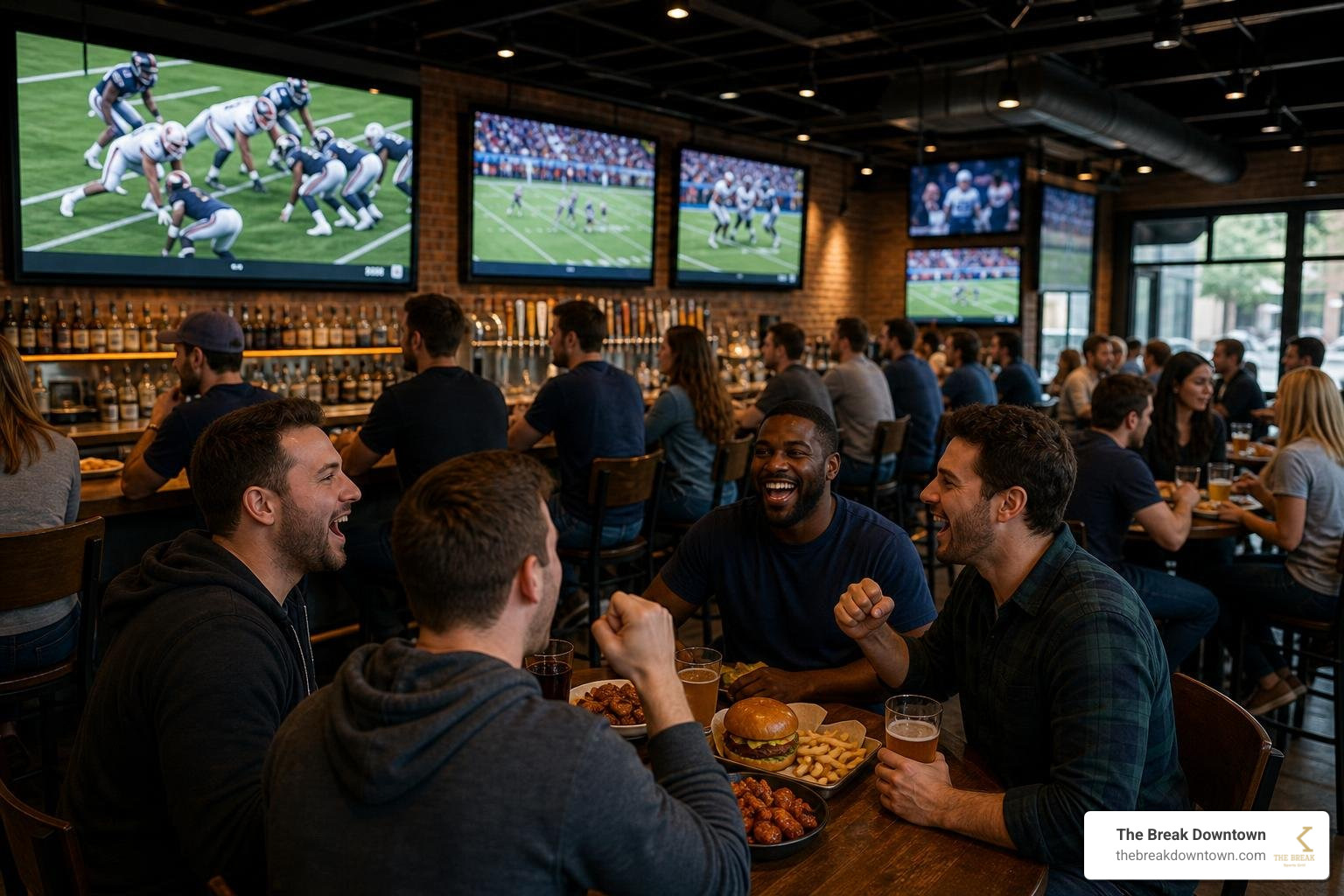
Beyond food and drink, people visit hospitality venues for human connection and entertainment. The atmosphere should feel electric, turning an ordinary evening into a memorable event.
Curating Ambiance Through Music, Lighting, and Layout
Every sensory detail shapes how long guests stay and how much they enjoy their visit. When discovering prime sports bar and grill spots, take note of how the venue manages its entertainment technology:
- Screen Placement: Displays should be positioned so that nearly every seat in the house has an unobstructed view of the game.
- Zoned Audio: High-fidelity sound systems let venues broadcast major game commentary in main viewing zones while keeping conversational sound levels in dining sections.
- Dynamic Lighting: Warm, layered lighting creates an inviting environment that feels open during the day and cozy at night.
Creating a Welcoming Space for Shared Experiences
Whether celebrating a dramatic buzzer-beater near the arena or hosting a birthday dinner with coworkers, a great establishment brings people together. Open seating clusters, spacious booths, and welcoming staff ensure that large groups feel just as comfortable as solo visitors dropping in for a quick bite.
Restaurant Bar vs. Traditional Tavern: Key Differences Compared
While both concepts offer hospitality and alcoholic beverages, their operational priorities, kitchen investments, and service styles differ significantly.
| Feature | Modern Restaurant Bar | Standalone Tavern | Traditional Pub |
|---|---|---|---|
| Kitchen Scope | Full scratch kitchen; expansive lunch and dinner menus | Minimal or outsourced; limited snack items | Classic comfort items; specialized pub fare |
| Beverage Program | Extensive craft cocktails, wine list, and regional drafts | Focus on domestic beers, well spirits, and simple shots | Heavy emphasis on traditional ales, stouts, and whiskeys |
| Seating & Layout | Balanced mix of booths, dining tables, and full-service bar counter | High-density counter stools with limited dedicated dining tables | Cozy wooden booths, communal tables, and intimate snugs |
| Service Model | Dedicated servers and full-service bartenders | Bartender-only counter service; walk-up ordering | Counter ordering or casual table service |
| Atmosphere Focus | Culinary-driven dining, social gatherings, and major event viewing | Casual drinking, neighborhood socializing, and nightlife | Relaxed conversation, low-key community gathering |
Service Standards and Hospitality Differences
Service in a dining-focused bar environment requires unique skills. Bartenders must master craft mixology while managing multi-course meal pacing, checking on appetizers, entrees, and dessert orders simultaneously. Following an essential checklist for choosing a sports grill helps ensure you choose a venue that delivers fast, attentive service even during peak game-day rushes.
Frequently Asked Questions About Dining at a Bar
Can you order the full dinner menu while sitting at the bar?
Yes. In a true restaurant-bar hybrid, the full culinary menu is available at the counter. Guests can order appetizers, signature entrees, and desserts directly from the bartender with the same level of service provided in the main dining room.
What makes a restaurant bar different from a standard pub?
A restaurant bar typically features a broader culinary program with dedicated kitchen staff, extensive seating configurations, and a diverse beverage menu that includes signature cocktails, fine wines, and craft drafts alongside traditional favorites.
How do I find the best spots for both game viewing and quality food?
Look for venues that combine scratch-made kitchen menus with professional audiovisual setups. The best spots feature multiple strategically placed big screens, high-definition sound, comfortable seating, and locations close to major sports and entertainment districts.
Conclusion
Finding the right venue for your next night out comes down to quality, comfort, and energy. A great dining and drink destination pairs the culinary depth of an upscale kitchen with the vibrant, social atmosphere of your favorite gathering spot.
Whether you are meeting friends before a concert, watching your team compete on the big screen, or enjoying a relaxed dinner after work, we invite you to experience the newly remodeled space, scratch-made menu, and prime viewing setup at The Break Downtown.